
I accompany weddings in Hamburg with a clear focus: structure, flow, and a cohesive overall experience. The city offers many possibilities – the key is to recognize the right ones and connect them meaningfully.
Hamburg combines many things: water, urban spaces, classic hotels, modern venues, and a strong network of service providers. This, however, is also where the challenge lies. The choice is vast – the differences often only visible upon closer inspection.
My task is to develop a clear direction from this.
Which location really suits you?
What processes work here, and which ones don't?
The planning follows a clear logic. Decisions are made not by feeling, but by impact.
On the wedding day itself, it's all about one thing: that everything falls into place.
So you don't have to worry about organization, but about what makes this day special.
The most beautiful wedding locations in Hamburg are quickly convincing. Waterfront location, architecture, atmosphere. This is precisely where many wrong decisions are made. The selection is often based on gut feeling rather than process. An exclusive wedding is not created by the location itself, but by what is possible there. Clear paths, functioning processes, and harmonious service. The following locations don't just look good. They are designed so that your day can run smoothly and in a structured manner.
A location doesn't function by capacity, but by density. 80 guests can get lost or feel just right. What matters is how the space feels when it's filled. Large areas need zones; small rooms automatically create intimacy. It's not the number that counts, but where things happen and how they interact.
The location dictates how your day flows. Restaurants need clear processes, otherwise you'll clash with the kitchen. Multiple rooms offer possibilities but cost energy with every transition. One location feels calmer, several feel more dynamic. Good planning means deliberately setting transitions — or avoiding them altogether.
A location is never neutral. It always comes with its own effect. If you work against it, it quickly seems artificial. A loft conveys modernity, a hotel elegance. The more you have to compensate decoratively, the more complex it becomes. It becomes coherent when the place and concept fit together from the beginning.
Price alone says little. What's included – and what isn't – is crucial. Free locations seem cheaper, but are often more elaborate. Hotels and restaurants cost more, but reduce complexity. Outdoor always means double planning. The best location is one that takes decisions off your hands and simplifies the process.
Hamburg offers not just one way to get married, but many different possibilities. From classic hotels and elegant restaurants to industrial lofts, villas, or waterfront locations – each type brings its own procedures and atmosphere. What's crucial is not just what appeals to you visually, but which type of location best suits your style, guest count, and event flow.
„A good location reduces decisions. It doesn't create new ones.“
A wedding in Hamburg doesn't automatically cost more because of the city, but rather because of the expectations for service, catering, and the overall flow. For around 80 guests, you should rarely plan for less than €35,000–45,000. From around €60,000, it becomes noticeably more relaxed. Many underestimate that besides the per-person budget, there are also high fixed costs. A smaller wedding is therefore not automatically cheaper.
The location often determines budget stability, as seemingly inexpensive offers quickly become more expensive due to additional costs. It's important to check exactly what is really included. The duration also plays a big role: every extra hour changes the calculation. Clear priorities are crucial. Those who want everything at once end up paying double.
Don't skimp on processes or service providers that carry the day. True luxury isn't created by more, but by harmonious decisions, clear structure, and a day that feels effortless for you and your guests.

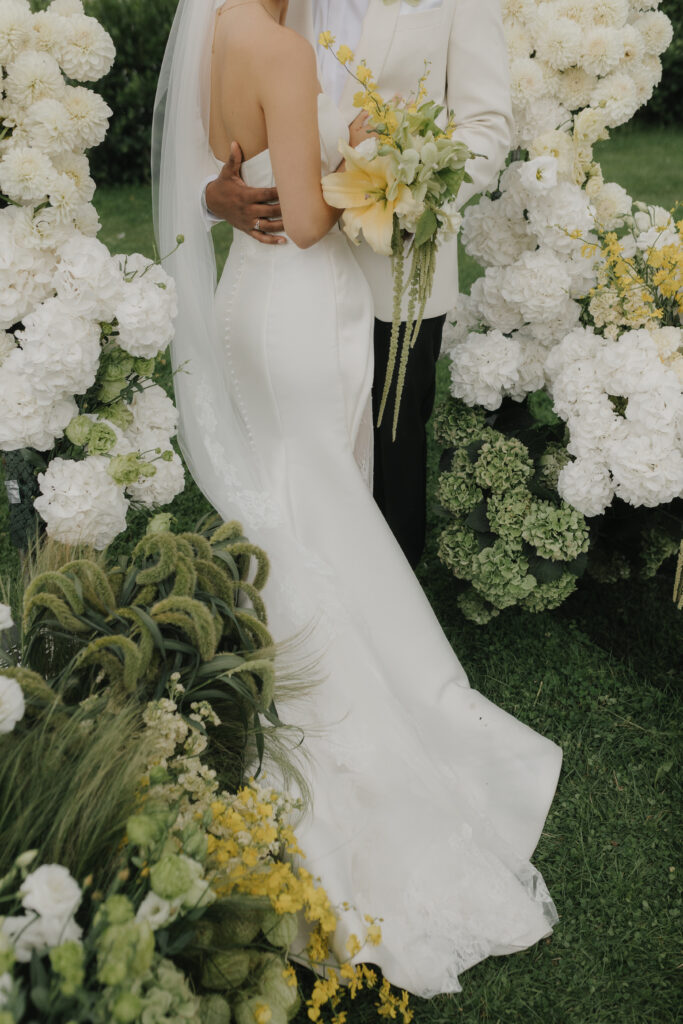
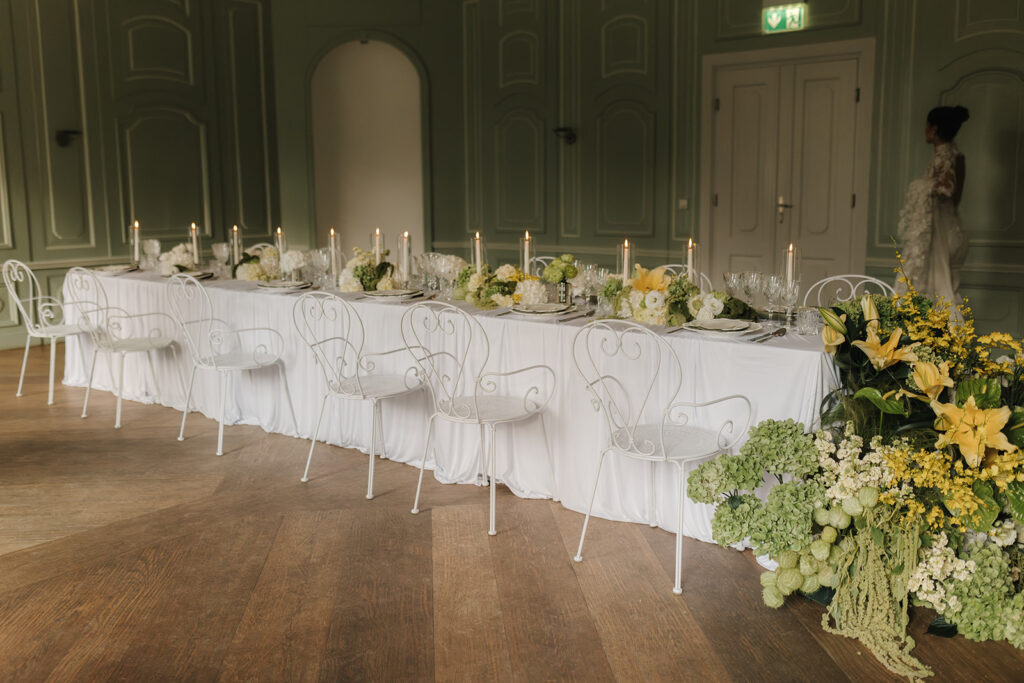
The weather in Hamburg isn't the problem— false expectations That's what it comes down to. Many couples plan for „sun or rain,“ but reality is often a mix of both. More critical than rain is wind: it affects the atmosphere, floral arrangements, candles, and sound more than you'd think, especially on the Elbe or Alster rivers. That's why a classic Plan B isn't enough. The indoor option needs to feel like an equally valid decision, not a compromise. When you react is also important. Clear decision points avoid stress on the wedding day.
Clear decision points avoid stress on the wedding day. In Hamburg Time slots are often more important than months: a sunny afternoon can quickly turn into evening. Outdoor areas should therefore be a supplement, not the basis of the entire day. Water features create atmosphere, but also more weather dynamics. At the same time, materials influence the effect more than expected: stability appears calmer than lightness. In the end, quality is shown in how confidently you deal with the weather – not in trying to control it.
Hamburg or the surrounding area – this decision is often treated as a budget question. In reality, it's about something else: the flow, mood, and feeling of your wedding. Hamburg stands for short distances, urban elegance, and a clear rhythm. You arrive, celebrate, and the day has a clean structure. The surrounding area works differently. It creates its own world where your guests stay, spend time together, and lose track of time. The wedding becomes not just an evening, but an experience over several hours or an entire weekend.
Both can be right. What matters isn't what looks nicer in pictures, but what works for your guests. Do you want them to be able to drive home or not want to leave at all? Exactly this question determines whether your wedding feels harmonious. In this post, I'll show you when Hamburg or the surrounding area really makes sense, what costs you need to consider, and what mistakes couples often make.